In an increasingly high-definition world, there is a profound comfort found in the jagged edges of a pixel. For many of us, the 8-bit and 16-bit eras of gaming weren't just about graphics; they were about imagination. They represented a time when a few colored squares could build entire worlds.
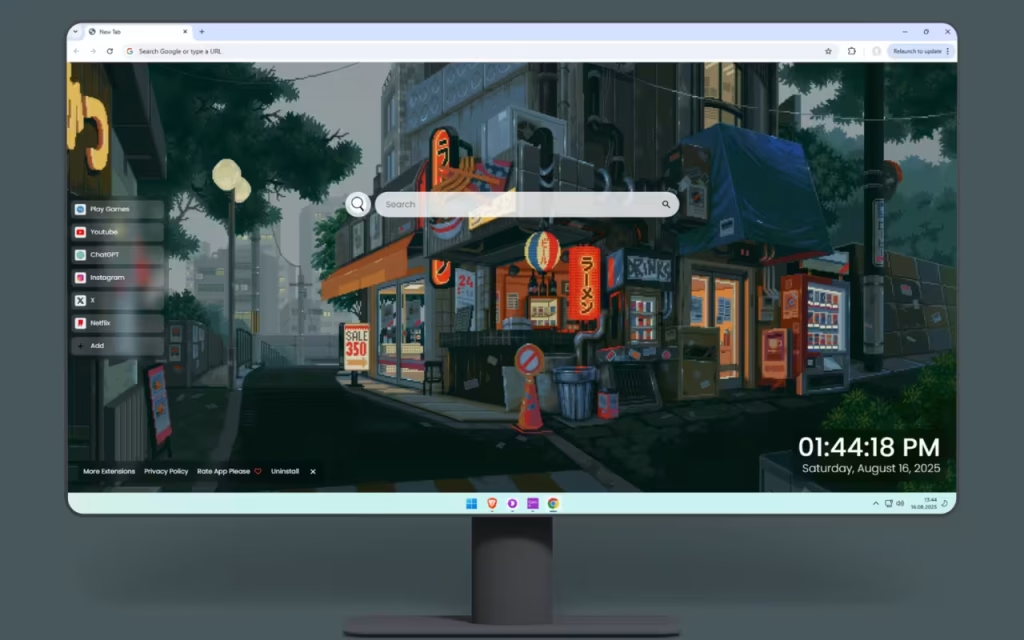
Now, you can recapture that feeling every time you open a new tab. The Japanese Pixel City Live Wallpaper is more than a browser extension; it is a digital portal to a cozy, nostalgic dreamscape. It transports you to a meticulously crafted residential district where traditional Japanese culture meets the golden age of video games.
In this article, we will take a walking tour through this digital neighborhood, explore the features that make this extension a productivity powerhouse, and dive deep into why the pixel art aesthetic has made such a massive cultural comeback.
A Digital Stroll Through Tokyo’s Backstreets
The visual appeal of the Japanese Pixel City Live Wallpaper lies in its ability to tell a story without saying a word. It captures a specific mood known in Japan as natsukashii—a sudden, euphoric sense of nostalgia.
The Art of "Organized Chaos"
The artwork presents a scene that feels lived-in and authentic. Unlike the sterile lines of modern minimalism, this wallpaper celebrates the clutter of life.
-
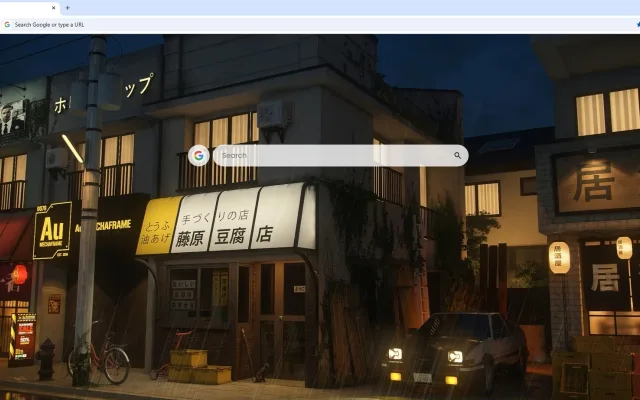
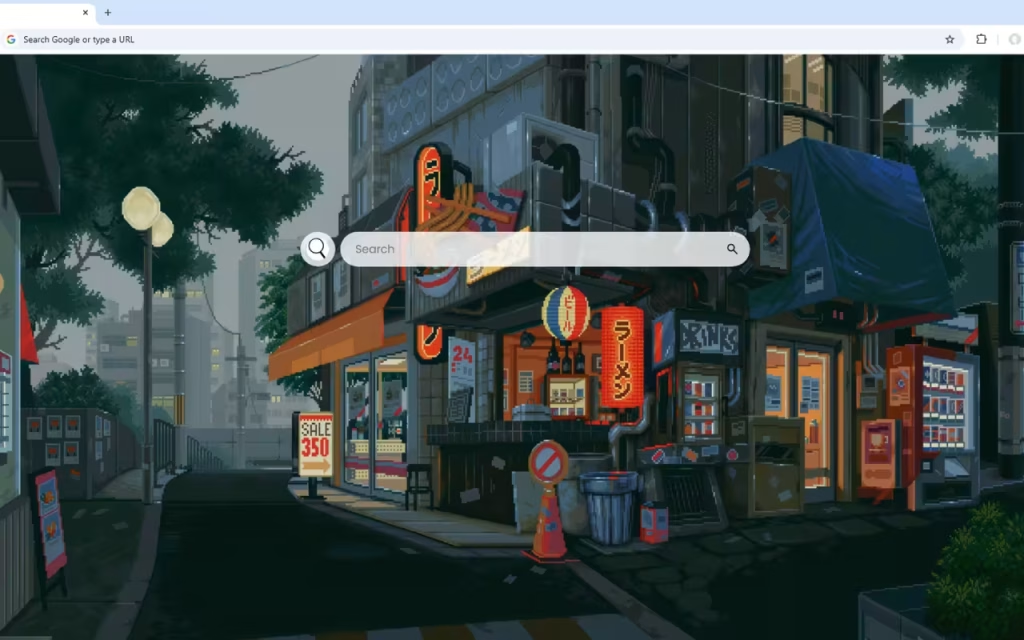
The Architecture: The scene showcases multilevel architecture that climbs upward in a beautiful mess. You see weathered building facades that speak of decades of community life, intricate balconies, and the iconic tangle of power lines creating patterns across the sky.
-
The Storefronts: The detailed pixel art highlights authentic Japanese storefronts. From the "SALE ¥50" signs to the traditional red lanterns (izakaya lanterns) swaying gently, every pixel serves a purpose.
-
The Atmosphere: Lush green trees provide a natural contrast against the urban landscape, reminding us of the balance between nature and city life often found in Tokyo’s quiet wards like Setagaya or Yanaka.
The Magic Hour Color Palette
Why does this image feel so comforting? It comes down to color theory. The artist has perfectly captured the "Magic Hour"—that fleeting time at dusk when the streetlights hum to life but the sky hasn't turned completely black.
-
Warmth: Warm orange and red neon signs glow invitingly from local shops, creating pools of light that reflect off the wet pavement. This suggests it just rained, adding a sensory layer of "petrichor" (the smell of rain) to the visual experience.
-
Coolness: These warm tones are balanced against cool evening blues in the shadows and sky. This contrast creates a dramatic atmosphere that makes the street feel safe, cozy, and magical.
Functionality Meets Lo-Fi Aesthetics
While the Japanese Pixel City Live Wallpaper sets the mood, it also serves a practical purpose. It transforms your browser into a functional dashboard that is as useful as it is beautiful. This isn't just art; it's a workspace.
Essential Tools for the Modern Drifter
The extension integrates features designed to keep you in the flow without breaking the immersion of the pixelated world:
-
🔗 Popular Shortcuts: Whether you are heading to YouTube for lo-fi hip hop radio or Netflix for an anime binge, this feature gives you quick access to your most-visited sites.
-
➕ Custom Shortcuts: Personalization is key. You can add your own favorite websites—perhaps a Japanese language learning portal or a retro gaming forum—with ease.
-
🔍 Search Bar: A minimalist search bar is seamlessly connected to your default search engine. It allows you to search the web without cluttering the beautiful pixel art behind it.
-
🕒 Clock & Date: The modern, clean display of the current time and date ensures you don't lose track of reality while enjoying your digital escape.
The "Game Break" Feature
-
🎮 Play Games: This is perhaps the most meta feature of the extension. The Japanese Pixel City Live Wallpaper includes built-in entertainment options. Taking a break from work to play a casual game within a pixel-art interface feels incredibly appropriate, like playing a mini-game within a larger RPG.
-
🚀 More Extensions: Enhance your journey with additional features, allowing you to expand your browser's capabilities.
Comparison: Standard Tab vs. Pixel City
To understand the upgrade, let's compare a standard browser experience with this themed extension.
| Feature | Standard New Tab | Japanese Pixel City Live Wallpaper |
| Visual Style | Blank / Sterile White | Rich, Animated Pixel Art |
| Atmosphere | None (Office vibe) | Cozy, Nostalgic, "Lofi" |
| Customization | Very Limited | Full Custom Shortcuts |
| Entertainment | None | Integrated Gaming Library |
| Time Display | None / Basic | Stylized Clock & Date |
| Emotional Impact | Neutral | Relaxing & Inspiring |
The Cultural Phenomenon: Why We Love Pixel Japan
You might be asking, Why is this style so popular right now? The resurgence of pixel art, particularly depicting Japanese settings, is a fascinating cultural trend.
The Origin of the Aesthetic
The aesthetic roots of the Japanese Pixel City Live Wallpaper can be traced back to the 16-bit era of video games (Super Nintendo and Sega Genesis). Developers in the 90s had to use limited pixels to create immersive worlds. This limitation forced creativity, resulting in the iconic "isometric city" views found in classic RPGs.
Today, this style has evolved into a standalone art form. It is heavily influenced by:
-
Cyberpunk: The neon lights and high-density housing.
-
Ghibli Movies: The attention to small details like trash bins, potted plants, and weathering.
-
Lofi Hip Hop: The YouTube phenomenon of "beats to study/relax to" often features looping animations of anime-style rooms or Japanese streets, creating a permanent association between this visual style and relaxation.
Tips for Collectors and Decorators
If the Japanese Pixel City Live Wallpaper speaks to you, you might be interested in extending this aesthetic into your physical space.
-
Lighting: The key to this look is ambient lighting. Use warm, amber-colored smart bulbs or neon LED signs (perhaps in Kanji or Hiragana) to mimic the "glow invitingly from local shops" description.
-
Decor: Look for "isometric pixel art prints" or dioramas. Many artists sell 3D-printed versions of these pixel shops.
-
Soundscapes: To complete the immersion, pair the wallpaper with a background noise generator set to "Rain on Umbrella" or "City Ambience," or search for "Japanese Night Walk" audio on YouTube.
How to Create a Similar Decoration in Your Browser
Customizing your browser is the first step to curating your digital environment. Here is why the Japanese Pixel City Live Wallpaper stands out for customization enthusiasts:
-
Depth and Dimension: The 3D-style rendering (even in pixel form) gives depth. The multilevel architecture that climbs upward draws the eye in, making your screen feel larger than it is.
-
Color Balance: The palette perfectly balances warm and cool tones. This is crucial for a wallpaper you look at all day; it is not too bright to cause eye strain, but not so dark that it is depressing.
-
Storytelling: Every time you open a tab, you notice a new detail. Is that a vending machine selling hot coffee? What is in the shop with the "SALE" sign? It engages the imagination.
The Japanese Pixel City Live Wallpaper is a love letter to a time and place that exists between memory and fantasy. It captures the soul of Japan's charming neighborhood streets and filters it through the lens of retro gaming nostalgia.
By combining this stunning visual experience with practical tools like custom shortcuts, integrated games, and a seamless search bar, it offers the perfect balance of form and function. It turns the mundane act of browsing the web into a small adventure, reminding us that there is beauty in the details—even the pixelated ones.
Are you ready to step into the neon-lit streets of the 8-bit world?
We want to hear from you!
-
What is your favorite retro game that features this kind of city aesthetic?
-
Do you find pixel art more relaxing than high-definition photography?
Let us know in the comments below!